Choosing the right timber can feel overwhelming at first, especially when you're faced with different species, finishes, and performance claims. For homeowners and trade customers alike, the key is understanding how the timber will behave over time and how it fits the look and purpose of the project.
Understanding Why Larch Works So Well for Cladding
Larch is a softwood, but it's noticeably denser than many alternatives. The dense structure of this material provides it with built-in protection against water damage and rot which makes it suitable for outdoor timber exposure throughout the entire year. The outdoor performance of larch wood depends on its high resin content because it does not require extensive chemical processing for outdoor use. The natural approach with this wood material makes it attractive to people who want to avoid chemical treatments.
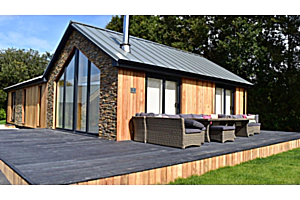
The visual appearance of larch cladding features its natural wood colours and its unique wood texture patterns. Newly delivered fresh boards display a golden or light honey colour which will transform into a soft silver-grey appearance when they remain unprotected from the elements. The ageing process, which occurs in many projects, becomes a desirable element which enhances the appearance of the finish instead of causing any damage.
Matching Timber Choice to Project Requirements
Before selecting any timber, it's important to consider how and where it will be used. External cladding needs to cope with rain, temperature changes, and sunlight, while internal projects place more emphasis on appearance and stability. Larch is commonly chosen for façades, garden rooms, and extensions because it balances performance and visual appeal.
Board profile and installation method also matter. Featheredge, shiplap, and rainscreen profiles all create different visual effects and influence how the timber weathers over time. Understanding these details early on helps avoid costly changes later in the project.
Visualising the Finished Result Before You Buy
The process of timber cladding installation makes it difficult for customers to predict what the finished product will look like. Modern tools provide the solution which will provide the option to preview long-term results. A room visualiser allows users to see how different larch cladding options might appear on a building or interior space before committing to a purchase.
Through digital testing of different board styles, orientations and finishes, customers can make better choices which will help them select timber that matches their design vision. The approach provides a useful solution to combine digital results with actual site conditions.
Thinking Long Term: Maintenance and Finish
It's essential to decide what level of maintenance you're willing to perform. Larch can be left untreated to weather naturally, or it can be finished with oils or coatings to retain its original colour for longer. The correct choice between these two approaches depends on what appearance you want to achieve, together with your preferred level of maintenance.